
Best Baby Formulas Without Corn Syrup Solids, 2026 Buying Guide
Last updated 2026-04-26 · facts verified · María López Botín · not a doctor, contains a paid link to Organic's Best Shop
Corn syrup solids and glucose syrup solids in infant formula are the principal compositional differences that distinguish many US-domestic formulas from EU-imported alternatives. EU Regulation 2016/127 requires lactose to be the predominant carbohydrate in Stage 1 formulas, effectively excluding corn syrup solids and glucose syrup solids as primary carbohydrates. FDA 21 CFR 107 permits a wider range of carbohydrate sources including maltodextrin and corn syrup solids, and many US-domestic formulas use these as significant carbohydrate-base components.
For families weighting the breast-milk-similar carbohydrate profile, breast milk's primary carbohydrate is lactose, this guide ranks the formulas that exclude corn syrup solids in favor of lactose-only or lactose-primary compositions.
EU formulas are lactose-only by regulation; US formulas are lactose-only by composition choice, which is why the corn-syrup-free list skews European. Kendamil Organic leads at US retail with whole-milk fat and HMO; HiPP Dutch brings the Combiotik probiotic; Bobbie is the USDA Organic challenger; Earth's Best covers budget and Kabrita covers goat.
Why corn syrup solids appear in some formulas but not others
The carbohydrate-source variation between formulas is driven by regulatory differences and cost considerations. Understanding why corn syrup solids appear in some formulas helps families evaluate the trade-offs.
EU regulatory mandate. EU Regulation 2016/127 specifies that "lactose shall be the predominant carbohydrate" in Stage 1 infant formulas, with limited exceptions for soy-protein and hydrolyzed- protein formulations. This regulatory mandate effectively excludes corn syrup solids and glucose syrup solids as primary carbohydrates in EU-marketed Stage 1 formulas, they may appear in trace amounts but cannot be predominant. EU Stage 2 follow-on regulations are more permissive but most major EU brands continue lactose-only composition through Stage 2.
FDA permissive framework. FDA 21 CFR 107 specifies the nutritional adequacy requirements for infant formulas (protein, fat, carbohydrate, vitamin, mineral targets) but does not mandate specific carbohydrate sources. Manufacturers may use lactose, maltodextrin, corn syrup solids, glucose syrup solids, or combinations as long as the overall nutritional profile meets the 21 CFR 107 thresholds. This permits cost-driven formulation choices that often include corn syrup solids in mainstream US-domestic formulas.
Cost considerations. Lactose is more expensive than maltodextrin or corn syrup solids per unit of carbohydrate energy. Manufacturers selecting lactose-only or lactose-primary composition (vs cheaper mixed-carbohydrate alternatives) accept a higher ingredient cost in exchange for the breast-milk-similar carbohydrate profile.
Specialty formula exceptions. Hypoallergenic formulas (Nutramigen, Similac Alimentum, Gerber Extensive HA) and amino acid formulas (Neocate, EleCare, Puramino) use corn syrup solids as the primary carbohydrate because lactose is typically removed during the protein hydrolysis process. This is clinically appropriate for the specialty indication and not a quality concern. Anti-reflux formulas and some lactose-free specialty formulas similarly use non-lactose carbohydrate sources.
Why families care about lactose-only. Lactose is the primary carbohydrate in human breast milk, comprising approximately 7g per 100ml of breast milk. Lactose-only or lactose-primary formulas are the breast-milk-similar carbohydrate choice for families weighting this composition axis. Lactose itself is also gentler on stool consistency than maltodextrin or corn syrup solids, small amounts of undigested lactose reach the colon and are fermented to short- chain fatty acids supporting softer stool consistency.
The ranking
1. Best overall lactose-only Stage 1: Kendamil Organic Stage 1
Kendamil Organic combines lactose-only carbohydrate composition with the broader Kendamil whole-milk-fat philosophy, preserving native MFGM (sphingomyelin, cholesterol, gangliosides, ~150 proteins), natural sn-2 palmitate, no added palm, no soy, no maltodextrin, no corn syrup. EU + UK Soil Association Organic certifications, 2'- FL HMO plus GOS+FOS dual prebiotic. FDA-registered for US retail at Target, Amazon, us.kendamil.com, no import logistics required.
For families weighting the breast-milk-similar carbohydrate profile plus organic certification plus whole-milk-fat preservation, Kendamil Organic is the master default.
2. Best EU Organic lactose-only + probiotic: HiPP Dutch Stage 1
HiPP Dutch Stage 1 carries lactose-only EU regulatory composition (EU 2016/127 mandate) plus the EU Organic Combiotik bioactive stack: live Limosilactobacillus fermentum hereditum probiotic, GOS prebiotic, Metafolin bioactive folate. The deepest documented- probiotic Stage 1 cow-milk formula at lactose-only carbohydrate composition. Personally imported via Organic's Best Shop.
3. Best USDA Organic lactose-only at US retail: Bobbie Original
Bobbie Original is the independent USDA Organic challenger that voluntarily adopted lactose-only carbohydrate composition (US 21 CFR 107 permits maltodextrin and corn syrup solids, Bobbie chose not to use them). USDA Organic + Non-GMO Project + Clean Label Project Purity Award (third-party testing for environmental contaminants). No added palm, no soy. FDA-registered, no recall history. ~$2.94/oz at Target, Amazon, Whole Foods, Bobbie direct.
For families wanting US-domestic manufacturing with EU-similar lactose-only composition, Bobbie is the principal pick.
4. Best non-organic lactose-only whole-milk-fat: Kendamil Classic Stage 1
Kendamil Classic carries the same lactose-only carbohydrate plus whole-milk-fat MFGM-preservation philosophy as Kendamil Organic at lower price, UK Red Tractor + Vegetarian Society marks (no organic designation). Whole-cow-milk fat preserves native MFGM. GOS+FOS 9:1 prebiotic. No added palm, no soy, no corn syrup, no maltodextrin. FDA-registered for US retail.
For families wanting whole-milk-fat plus lactose-only at lower price than the Organic upgrade, Kendamil Classic is the in-family answer.
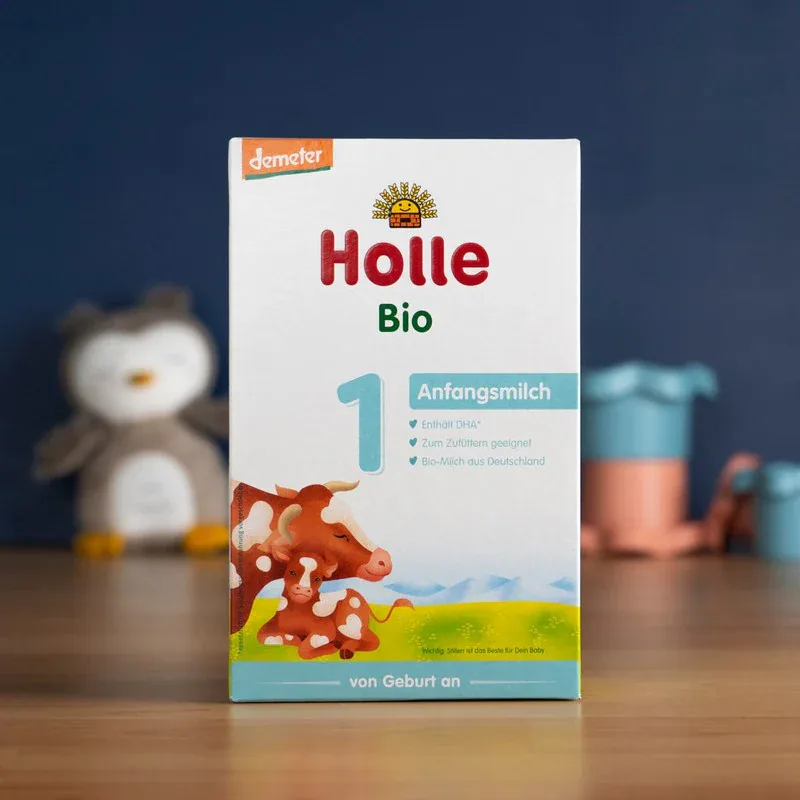
5. Best Demeter biodynamic lactose-only: Holle Cow Stage 1
Holle Cow Stage 1 carries Demeter biodynamic plus EU Organic, the strictest organic certification globally, with lactose-only carbohydrate composition. Whole-cow-milk fat retained. Minimalist composition (no GOS, no HMO, no probiotic). RSPO palm in fat blend, no soy, no corn syrup. ~$1.95/oz delivered.
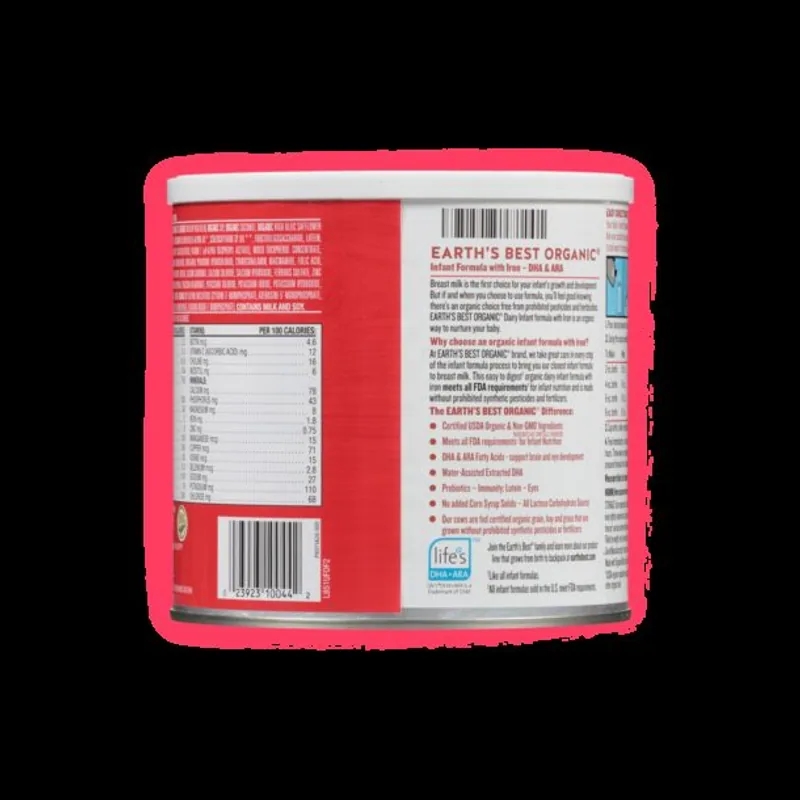
6. Best USDA Organic budget option: Earth's Best Dairy
Earth's Best Dairy provides USDA Organic + Non-GMO Project at the cheapest USDA Organic price point with lactose-primary carbohydrate composition. Most current Earth's Best Dairy variants use lactose as the primary carbohydrate (verify current label, Earth's Best has multiple variants). FOS prebiotic. Broad US retail and WIC eligibility in many states.
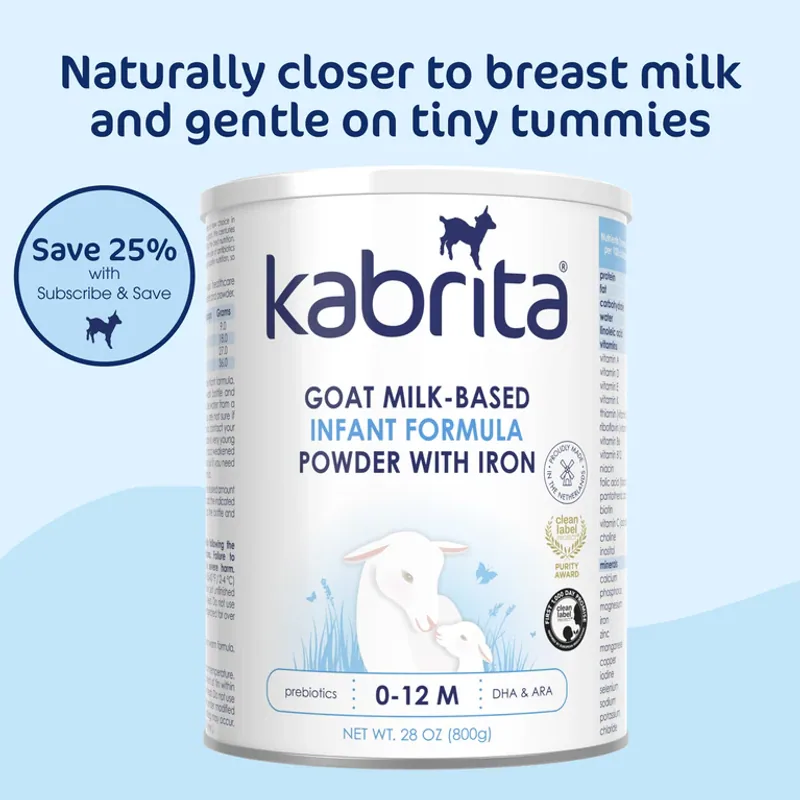
7. Best goat-milk lactose-primary: Kabrita Stage 1
Kabrita Stage 1 uses lactose as the primary carbohydrate in its goat-milk Stage 1 formulation. With sn-2 palmitate, 2'-FL HMO, GOS prebiotic, no soy. The 60:40 whey:casein ratio matches breast- milk reference. FDA-enforcement-discretion US retail. NOT a substitute for diagnosed CMPA, goat milk proteins cross-react with cow milk in ~90% of CMPA cases.
Practical considerations for the corn-syrup-free decision
Read labels carefully, variants change. Even within a single brand line, individual variants can differ in carbohydrate composition. Earth's Best has standard, Sensitivity, and Soy variants with different carbohydrate sources. Similac has many variants; Pro-Advance is lactose-primary while Pro-Total Comfort uses corn syrup solids. Read the current ingredient list each purchase rather than relying on brand-level assumptions.
Specialty formulas are a separate category. As noted, hypo- allergenic formulas (Nutramigen, Alimentum, Gerber Extensive HA), amino acid formulas (Neocate, EleCare, Puramino), and some anti- reflux variants use corn syrup solids because lactose is removed or compromised during the specialty processing. This is clinically appropriate, not a quality concern. Don't assess hypoallergenic formulas against the corn-syrup-free criterion, different category.
Lactose intolerance considerations. True primary lactose intolerance is rare in healthy term infants, congenital lactase deficiency is extremely rare, and developmental lactase activity is normally high in the first year. Lactose-free formulas (Similac Sensitive, Enfamil Sensitive, etc.) are typically prescribed for suspected lactose-overload patterns associated with viral GI infections or for infants with confirmed galactosemia. For the vast majority of healthy infants, the lactose-only formulation is appropriate and beneficial.
Stool consistency benefit. Lactose-only formulas often produce softer, more breast-milk-like stool consistency than maltodextrin- heavy or corn-syrup-solids-heavy formulations. For families managing constipation, the lactose-only carbohydrate base is one of the principal supportive factors alongside prebiotic-rich composition.
Why Bobbie Original stands out among US-domestic formulas. Bobbie's voluntary adoption of lactose-only carbohydrate composition, without the EU regulatory mandate forcing the choice, positions it uniquely among US-domestic formulas. The premium pricing (~$2.94/oz vs ~$1.51/oz for Similac Pro-Advance) reflects the certification overlay (USDA Organic, Non-GMO, Clean Label) plus US-domestic manufacturing plus the lactose-only commitment.
Cost comparison. Among US-retail lactose-only options, Bobbie Original at ~$2.94/oz is at the premium tier; Kendamil Organic at ~$1.95/oz and Kendamil Classic at ~$1.30/oz are more affordable EU-philosophy options FDA-registered for US retail. Earth's Best Dairy at ~$1.29/oz is the budget USDA Organic option. EU-imported options (HiPP Dutch ~$1.77/oz, Holle Cow ~$1.95/oz, Loulouka ~$1.55/oz, Lebenswert ~$1.65/oz) are competitive after import costs.
Frequently asked questions
Why do some baby formulas contain corn syrup solids?
Is corn syrup in baby formula the same as high-fructose corn syrup?
Are EU baby formulas required to be lactose-only?
What is the difference between lactose-only and lactose-primary formula?
Does my baby need lactose-only formula?
Are corn-syrup-free formulas more expensive?
Are hypoallergenic formulas like Nutramigen 'corn-syrup-containing' a problem?
FDA 21 CFR Part 107 permits various carbohydrate sources in US-marketed infant formula including corn syrup solids and maltodextrin. EU Regulation 2016/127 mandates lactose predominance in Stage 1 formulas, effectively excluding corn syrup solids as primary carbohydrate in EU markets. AAP formula-feeding guidance provides the clinical context for evaluating carbohydrate composition decisions.
Related reading
- Best baby formulas, overall flagship ranking
- Best European baby formulas
- Best organic baby formulas
- Lactose explainer
- Maltodextrin explainer
- How to read formula label
- FDA vs EFSA standards
- Corn Syrup Solids
This site provides research and comparisons, not medical advice. Consult your pediatrician before changing your baby's formula.
The ranked picks
Typical US retail price, normalised to USD per ounce of powder. Imported European formulas carry shipping and importer margin; US retail brands are typically cheapest per ounce. Subscribe-and-save and private-label pricing can shift the ranking.
Data table
| Formula | Price per ounce |
|---|---|
| Earth's Best Dairy | $1.29 |
| Kendamil Classic Stage 1 | $1.30 |
| HiPP Dutch Stage 1 | $1.77 |
| Kendamil Organic Stage 1 | $1.95 |
| Holle Cow Stage 1 | $1.95 |
| Kabrita Stage 1 | $2.71 |
| Bobbie Original | $2.94 |
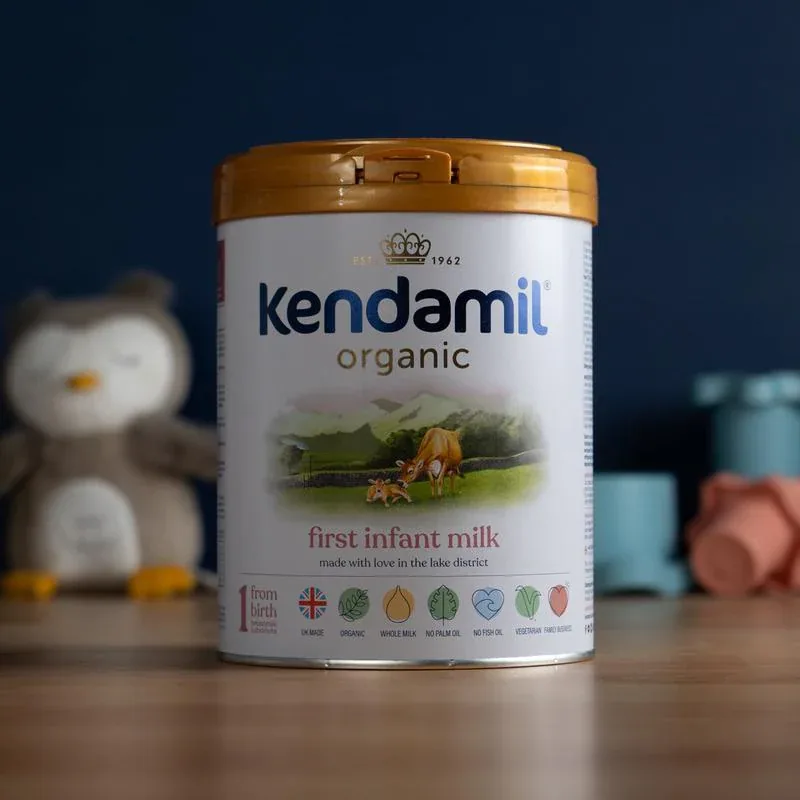
#1 · Best overall lactose-only Stage 1 (EU + UK Organic + HMO + whole-milk-fat)
Kendamil Organic Stage 1
EU + UK Soil Association Organic with whole-cow-milk-fat preserving native MFGM. Lactose-only carbohydrate (EU 2016/127 mandatory). 2'-FL HMO plus GOS+FOS prebiotic. No added palm, no soy, no corn syrup, no maltodextrin. FDA-registered for US retail at next-day delivery. ~$1.95/oz.
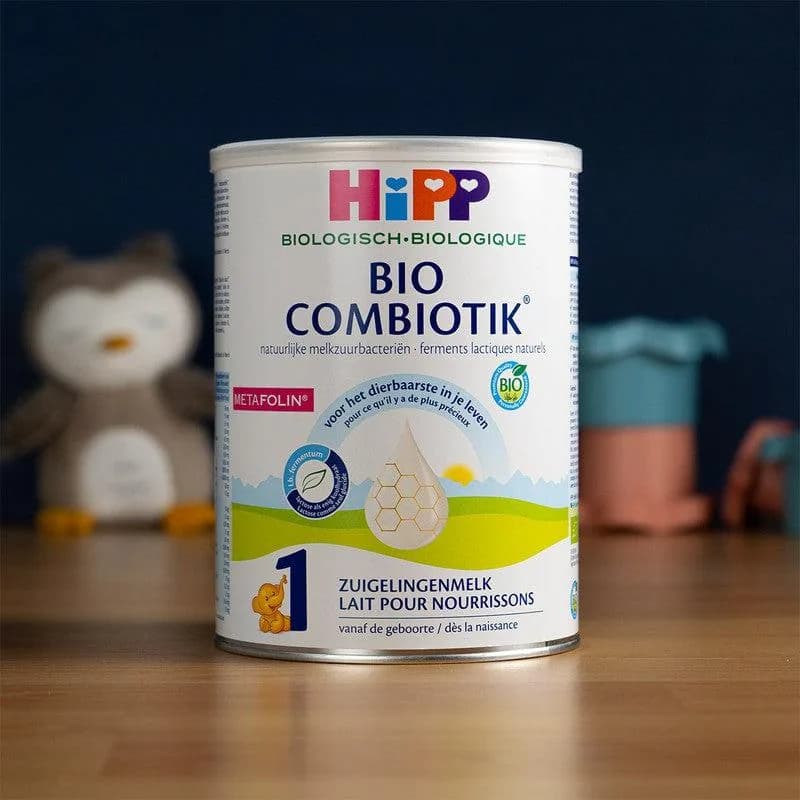
#2 · Best EU Organic lactose-only with probiotic
HiPP Dutch Stage 1
EU Organic Combiotik with live Limosilactobacillus fermentum hereditum probiotic plus GOS prebiotic plus Metafolin folate. Lactose-only carbohydrate. The deepest bioactive stack in lactose-only Stage 1. Personally imported via Organic's Best. ~$1.77/oz.
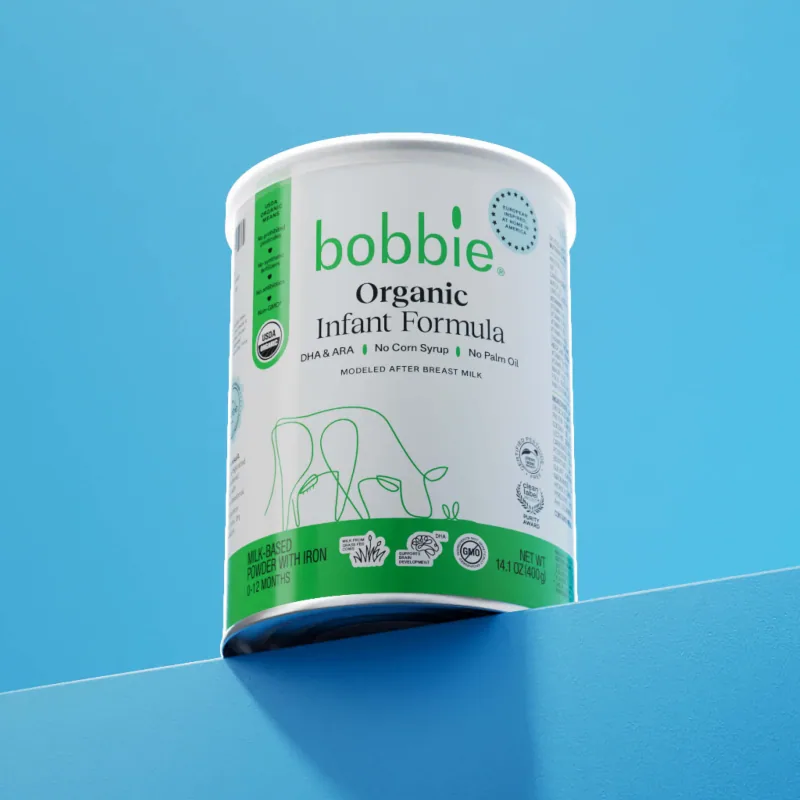
#3 · Best USDA Organic lactose-only at US retail
Bobbie Original
Independent USDA Organic challenger. USDA Organic + Non-GMO Project + Clean Label Project Purity Award. Lactose-only carbohydrate (voluntarily, US 21 CFR 107 permits maltodextrin/corn-syrup-solids). No added palm, no soy. FDA-registered, no recall history. ~$2.94/oz.
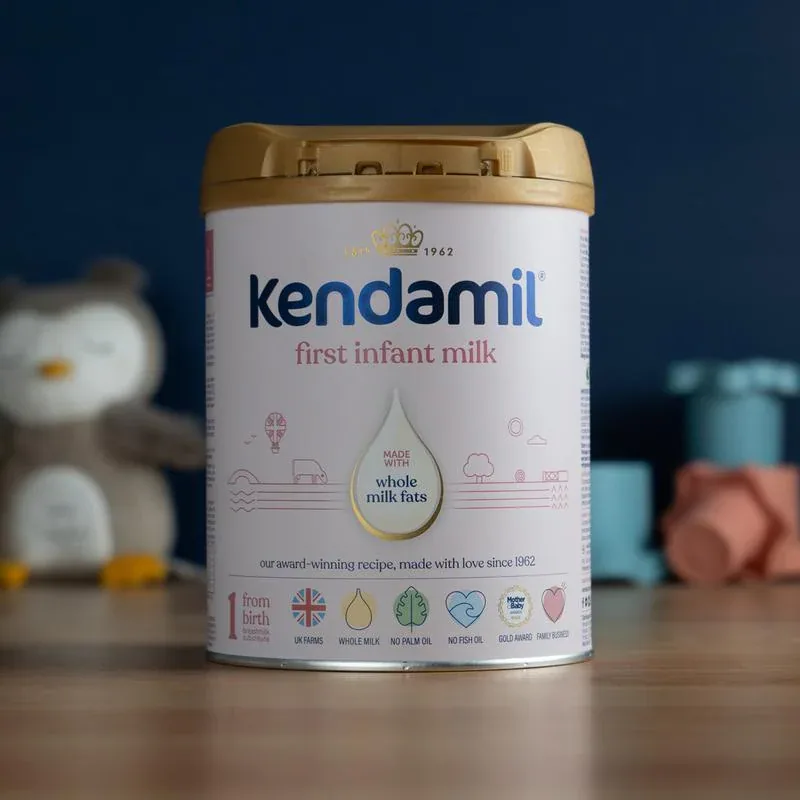
#4 · Best non-organic lactose-only whole-milk-fat
Kendamil Classic Stage 1
Whole-cow-milk-fat preservation with UK Red Tractor mark. Lactose-only carbohydrate. GOS+FOS 9:1 prebiotic. No added palm, no soy, no corn syrup. FDA-registered for US retail at next-day delivery. ~$1.30/oz.
#5 · Best Demeter biodynamic lactose-only
Holle Cow Stage 1
Demeter biodynamic + EU Organic, strictest organic certification globally. Lactose-only carbohydrate (EU mandatory). Whole-cow-milk-fat retained. RSPO palm in fat blend. ~$1.95/oz delivered via Organic's Best.
#6 · Best USDA Organic + lactose-primary budget
Earth's Best Dairy
USDA Organic + Non-GMO Project at the cheapest USDA Organic price point. Lactose-primary carbohydrate (with limited maltodextrin in some formulations, verify current label). FOS prebiotic. WIC-eligible in many states. ~$1.29/oz.
#7 · Best goat-milk lactose-primary
Kabrita Stage 1
Dutch goat-milk Stage 1 with lactose as primary carbohydrate, sn-2 palmitate, 2'-FL HMO plus GOS. NOT a substitute for diagnosed CMPA. FDA-enforcement-discretion US retail. ~$2.71/oz.