
Best Baby Formula for 12 Month Old (Stage 3 / Toddler) — 2026 Buying Guide
Last updated 2026-04-26 · María López Botín
This site provides research and comparisons, not medical advice. Consult your pediatrician before changing your baby's formula.
Stage 3 (toddler-stage, 12+ months) is the EU regulatory category for "growing-up milks" or "young-child formulas" — products intended to bridge the gap between Stage 2 follow-on formula and unfortified whole cow's milk after 12 months. The clinical question is whether Stage 3 toddler formula provides meaningful benefit over plain whole cow's milk, and the AAP position is nuanced: for healthy toddlers with adequate iron-rich diet variety, plain whole cow's milk plus solid foods provides complete nutrition; for toddlers with dietary restrictions, picky eating, or specific nutritional gaps, Stage 3 formulas can supplement.
This guide ranks Stage 3 formulas for families committed to continued formula feeding past 12 months, plus the alternative of transitioning to whole cow's milk that many pediatricians recommend as the simpler default.
For 12-month formula decisions, the seven-pick framework: Kendamil Organic Stage 3 for whole-milk-fat + organic + HMO at FDA retail; HiPP Dutch Stage 3 for Combiotik probiotic + Metafolin folate; Holle Cow Stage 3 for Demeter biodynamic; Lebenswert and Loulouka for budget EU Stage 3 imports; Aptamil UK Stage 3 for the UK Aptamil line; Else Nutrition for plant-based toddler drink. For most healthy 12+ month toddlers, AAP-recommended whole cow's milk plus iron-rich solid food variety is the simpler default.
Stage 3 toddler formula vs whole cow's milk: the AAP position
The American Academy of Pediatrics, the European Society for Paediatric Gastroenterology, Hepatology and Nutrition (ESPGHAN), and most major pediatric authorities converge on a similar position: for healthy toddlers eating an iron-rich varied diet, plain whole cow's milk after 12 months is nutritionally adequate and Stage 3 toddler formula is not clinically necessary. ESPGHAN specifically notes that "young-child formulas" do not have clinical evidence of nutritional benefit over the WHO-recommended combination of whole cow's milk plus iron-rich complementary foods.
The case for transitioning to whole cow's milk at 12 months. Whole cow's milk is less expensive, available everywhere, doesn't require preparation, and provides the protein, calcium, and fat that 12+ month toddlers need as a beverage component of a varied diet. AAP recommends 16-24 oz/day of whole cow's milk as the beverage layer alongside iron-rich solid foods (iron-fortified cereals, beans, meats, leafy greens, fortified products) at 12+ months. For most healthy toddlers, this is the simpler and clinically-supported default.
The case for continuing with Stage 3 formula. For toddlers with dietary restrictions (vegan family, dairy allergy with non-CMPA goat-milk tolerance, religious dietary practice limiting animal-product variety), picky eating that limits iron-rich solid food variety, growth-faltering or specific nutritional gaps identified by pediatric assessment, or families simply preferring the formula's bioactive layering (probiotic, HMO, dual prebiotic), Stage 3 formulas provide a defensible alternative or supplement to whole cow's milk.
Why some families prefer Stage 3 formula. Stage 3 formulas include iron at higher levels than whole cow's milk (whole cow's milk has ~0.04 mg iron per 100ml; Stage 3 formulas have ~0.7-1.0 mg per 100 ml), which compensates for limited iron-rich solid food intake. Stage 3 formulas also typically include documented probiotic strains (HiPP) or HMO (Kendamil Organic) that plain cow's milk doesn't provide. For families weighting these specific bioactives, the Stage 3 premium over plain whole cow's milk is a defensible spend.
Hybrid approach. Many families adopt a hybrid: continue Stage 3 formula at one or two feeds per day (typically morning and bedtime) while transitioning to plain whole cow's milk at other feeds. This captures some of the iron and bioactive benefits while moving toward the long-term default beverage of whole cow's milk. The hybrid approach is acceptable per pediatric guidance.
The ranking
1. Best overall Stage 3: Kendamil Organic Stage 3
Kendamil Organic Stage 3 carries forward the whole-milk-fat philosophy through toddler stage — preserving native MFGM with sphingomyelin, cholesterol, gangliosides, and ~150 proteins implicated in continuing brain development through age 2. EU + UK Soil Association Organic, 2'-FL HMO plus GOS+FOS dual prebiotic, no added palm, no soy. FDA-registered for US retail at next-day delivery without import logistics.
For families committed to continued formula feeding at 12+ months who weight whole-milk-fat composition, Kendamil Organic Stage 3 is the master default. The whole-milk-fat advantage continues to matter at toddler stage as the brain remains in a high-development window through age 2-3.
2. Best EU Organic Stage 3 with probiotic: HiPP Dutch Stage 3
HiPP Dutch Stage 3 carries the Combiotik bioactive stack into toddler stage: live Limosilactobacillus fermentum hereditum probiotic, GOS prebiotic, Metafolin bioactive folate. Lactose-only carbohydrate. The most-bioactive-rich Stage 3 cow-milk formula in the EU import distribution channel. Personally imported via Organic's Best Shop.
For probiotic-weighted families wanting continued bioactive support at toddler stage, HiPP Dutch Stage 3 is the differentiator.
3. Best Demeter biodynamic Stage 3: Holle Cow Stage 3
Holle Cow Stage 3 carries the Demeter biodynamic certification through toddler stage. EU Organic plus Demeter — the strictest organic certification globally. Whole-cow-milk-fat retained. Minimalist composition (no GOS, no HMO, no probiotic). RSPO palm in fat blend, no soy. ~$1.95/oz delivered via Organic's Best.
For families weighting strictest-possible organic certification at toddler stage, Holle Cow Stage 3 is the European reference.
4. Best Bioland Stage 3 budget: Lebenswert Stage 3
Lebenswert Stage 3 is HiPP-manufactured under Bioland organic certification (stricter German private organic) at lower price than HiPP Bio. Lactose-only carbohydrate. No probiotic. The HiPP-quality manufacturing for budget-conscious families wanting Bioland organic at toddler stage. Personally imported via Organic's Best.
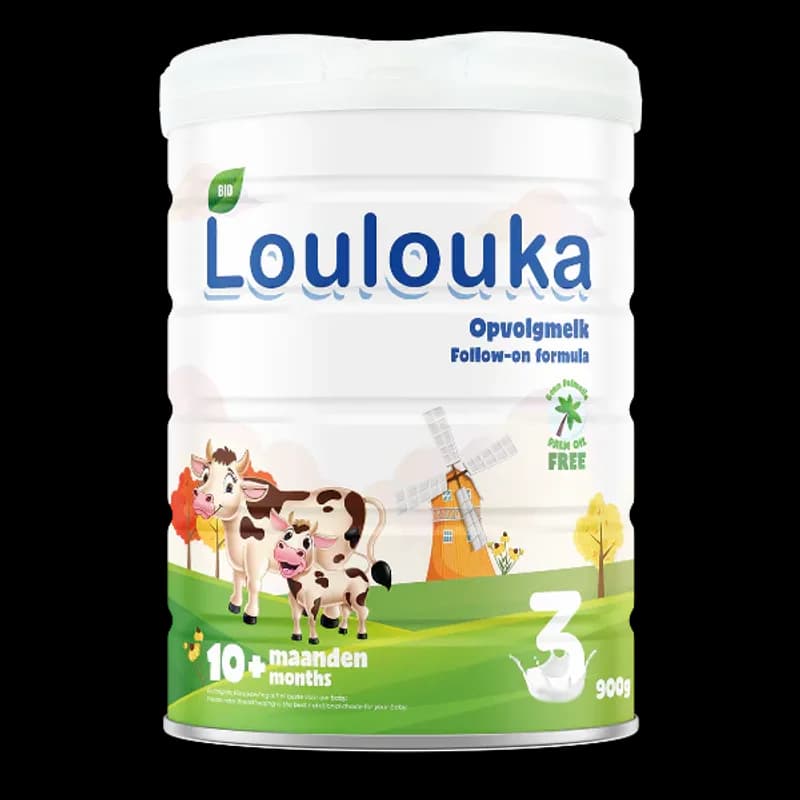
5. Best Swiss-EU Organic Stage 3 budget: Loulouka Stage 3
Loulouka Stage 3 is Swiss-manufactured EU Organic Stage 3 at the lowest price tier among EU imports. Lactose + maltodextrin carbohydrate. GOS+FOS prebiotic. Coconut + sunflower + rapeseed fat blend with no added palm. The cheapest EU Organic Stage 3 import for budget-conscious families.
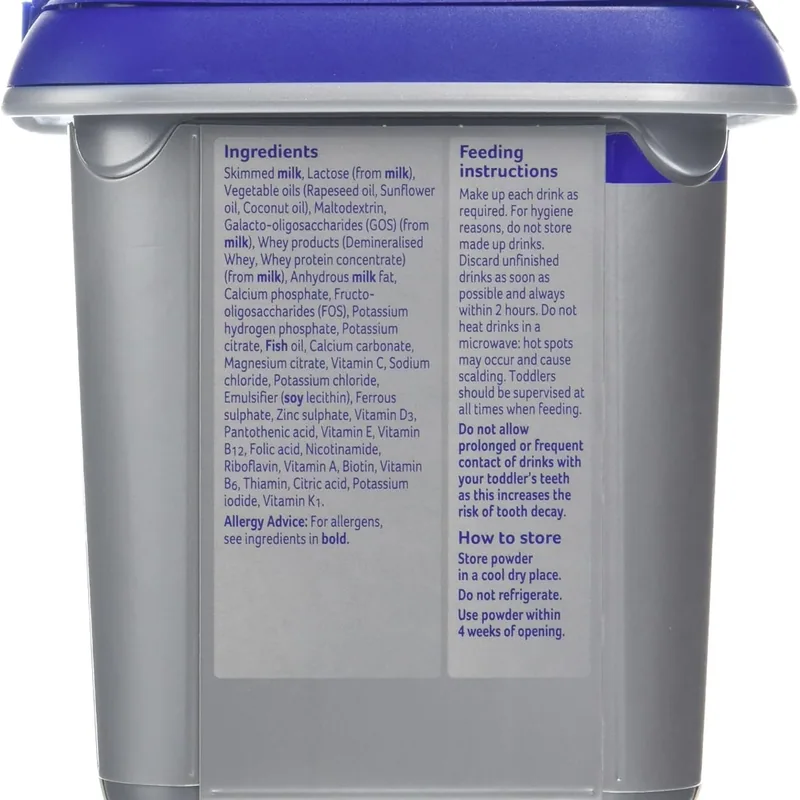
6. Best UK Aptamil Stage 3: Aptamil UK Stage 3
Aptamil UK Stage 3 is the mainstream UK toddler-stage formula in the Aptamil Pronutra+ line. Whey-protein-dominant with GOS+FOS prebiotic. RSPO palm in fat blend. The default UK Stage 3 for families committed to the Aptamil line for brand continuity from Stage 1 → Stage 2 → Stage 3. Personally imported via Organic's Best.
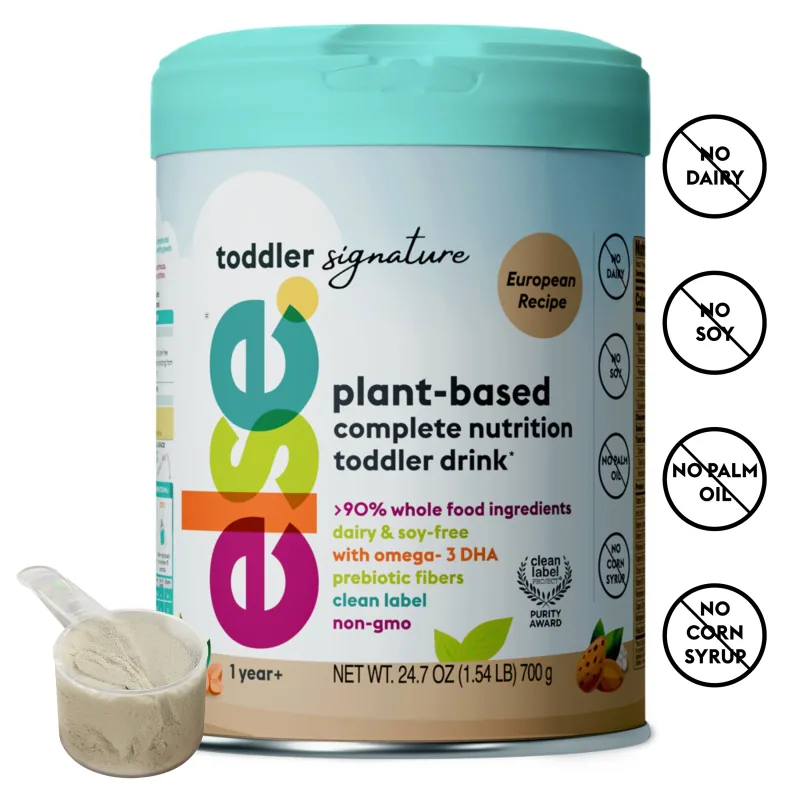
7. Best plant-based toddler drink: Else Nutrition
Else Nutrition Toddler Drink is a plant-based toddler-stage beverage made from almond + buckwheat + tapioca base. Designed for families avoiding dairy at toddler stage — diagnosed dairy allergy, vegan family, or specific religious dietary practice. NOT a substitute for cow-milk or goat-milk Stage 3 formula in standard cases. Pediatric consultation recommended for plant-based toddler nutrition planning to ensure adequate protein, B12, iron, and calcium intake.
Practical considerations for the 12-month decision
Transition timing flexibility. The 12-month milestone is a flexible recommendation, not a hard cutoff. Some pediatricians recommend continuing formula through 18 months for picky eaters or growth-faltering toddlers; others recommend transitioning to whole cow's milk as soon as 12 months even with continued solid- food variability. There's no single right answer — pediatric guidance specific to your toddler's growth trajectory and dietary variety drives the decision.
Iron remains the principal nutrient driver. The reason Stage 3 formulas exist as a regulatory category is iron — toddlers continue to have elevated iron needs, and limited iron-rich solid-food variety creates iron-deficiency risk if whole cow's milk replaces formula without adequate solid food iron sources. For toddlers with iron-rich diet variety (iron-fortified cereals, beans, meats, leafy greens), whole cow's milk plus solids meets iron needs. For toddlers with limited variety, Stage 3 formula or iron supplementation is the alternative.
Cost comparison favors whole cow's milk dramatically. Stage 3 formulas at ~$1.55-$1.95/oz prepared cost ~$300-380/month for a toddler consuming 24 oz/day. Whole cow's milk at typical US grocery pricing is ~$0.10-0.15/oz, or ~$60-80/month at 24 oz/day. The cost differential is 4-5x. For families on tight budgets, the whole-cow's-milk transition at 12 months provides meaningful financial relief.
Cow's milk allergy considerations. Toddlers with diagnosed CMPA continuing past 12 months should NOT transition to whole cow's milk. Continued use of extensively hydrolyzed (Nutramigen, Similac Alimentum, Gerber Extensive HA) or amino-acid (Neocate, EleCare, Puramino) formula under pediatric supervision is the clinical default until pediatric milk-protein challenge confirms tolerance acquisition. Stage 3 toddler formulas are NOT a CMPA substitute either — same protein source as Stage 2 cow-milk formulas.
Goat-milk Stage 3 considerations. Goat-milk Stage 3 formulas are less common in the US market than cow-milk Stage 3 (Kendamil Goat Stage 3 doesn't currently exist in the US distribution; some EU Stage 3 goat formulas can be personally imported). Whole goat milk as a beverage at 12+ months is acceptable for non-allergic toddlers as an alternative to whole cow's milk, with similar caveats — adequate iron-rich solid food variety is essential.
Pediatric well-visit alignment. The 12-month pediatric well- visit is the natural decision point for the formula-to-cow's-milk transition discussion. Pediatricians review growth trajectory, solid food variety, iron status (sometimes including a hemoglobin check at this visit), and family preferences to advise on the appropriate transition path. Use this visit as the formal decision point rather than self-directing the timing.
Frequently asked questions
Do I need to give my 12-month old toddler formula or can I switch to whole cow's milk?
What is the difference between Stage 2 and Stage 3 formula?
When should I stop giving my toddler formula?
Can I give my 12-month old plant-based milk instead of whole cow's milk?
Is Stage 3 formula worth the extra cost over whole cow's milk?
What about goat-milk Stage 3 formula or whole goat milk at 12 months?
How much formula should a 12-month old drink if I keep them on Stage 3?
FDA 21 CFR Part 107 governs US-domestic infant formula. AAP formula-feeding guidance covers the 12-month transition decision including the recommendation to transition to whole cow's milk for healthy toddlers eating varied iron-rich solid foods. EU Regulation 2016/128 provides the regulatory context for Stage 3 toddler-formula composition.
Related reading
- Best baby formulas — overall flagship ranking
- Best formula for 6 month old — Stage 2 ranking
- Toddler formula is it necessary?
- Transition to whole cow milk pillar
- HiPP Dutch Stage 2 vs Stage 3
- Holle Cow Stage 2 vs Stage 3
- Is toddler formula necessary?
- When do babies finish drinking formula?
- Bottle vs Cup Feeding Transitions — Readiness Signals and Timing
The ranked picks
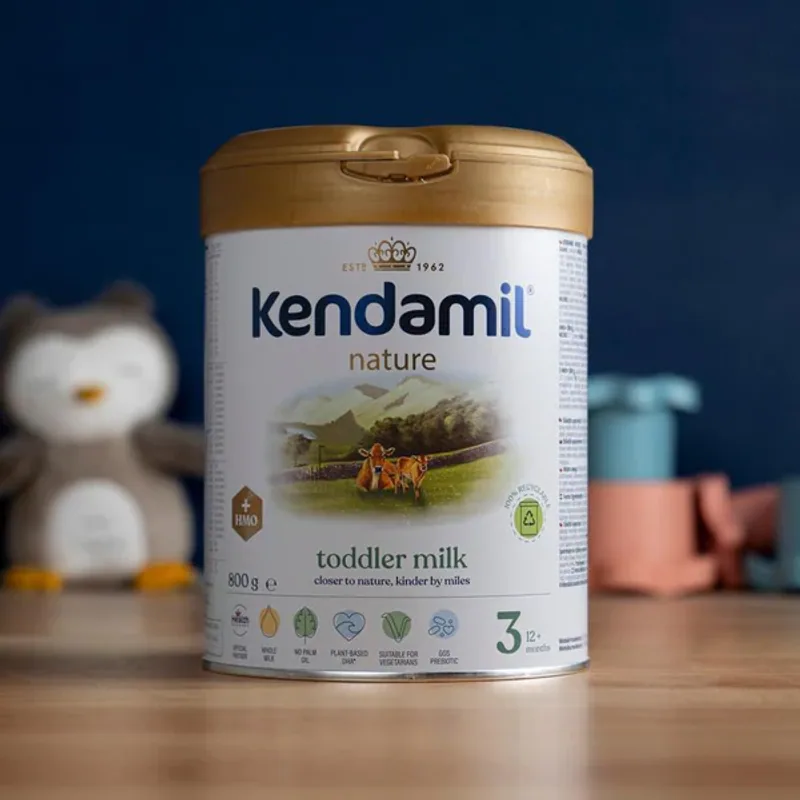
#1 · Best overall Stage 3 (whole-milk-fat + organic + HMO)
Kendamil Organic Stage 3
EU + UK Soil Association Organic with whole-cow-milk-fat preserving native MFGM. 2'-FL HMO plus GOS+FOS prebiotic blend. The toddler-stage formula closest to breast-milk fat profile, FDA-registered for US retail. ~$1.95/oz.
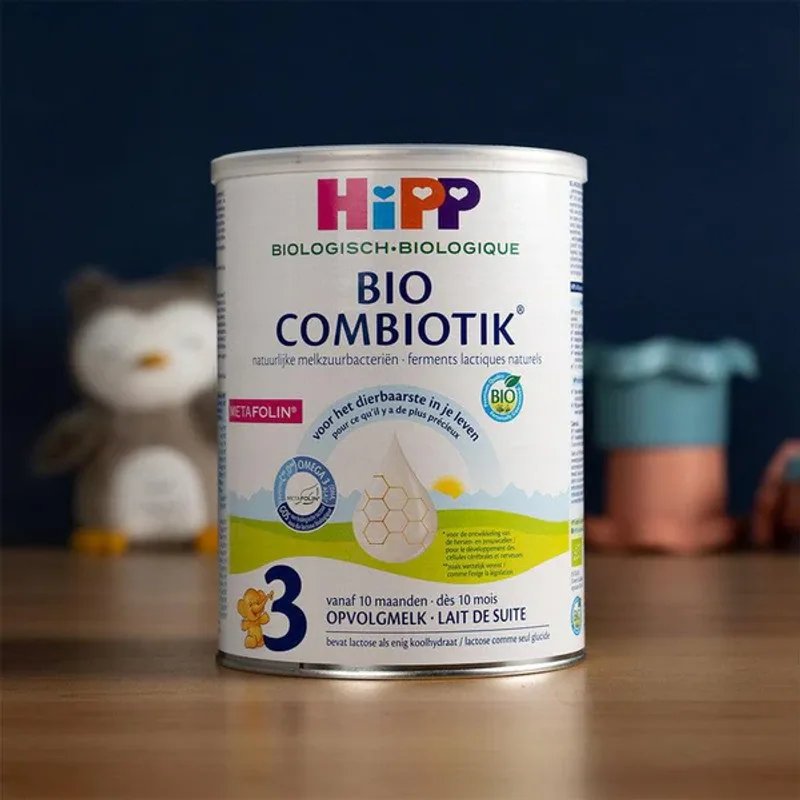
#2 · Best EU Organic Stage 3 with probiotic
HiPP Dutch Stage 3
EU Organic Combiotik with live Limosilactobacillus fermentum hereditum probiotic plus GOS prebiotic plus Metafolin bioactive folate. The deepest bioactive stack at toddler stage. Personally imported via Organic's Best. ~$1.77/oz.
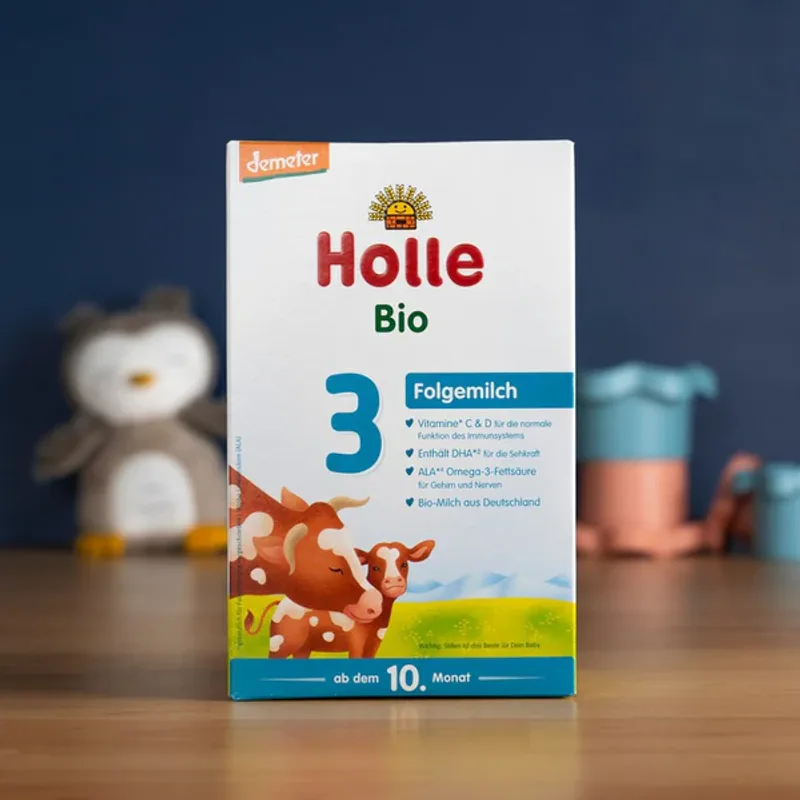
#3 · Best Demeter biodynamic Stage 3
Holle Cow Stage 3
Demeter biodynamic + EU Organic toddler-stage formula. Whole-cow-milk-fat retained. The minimalist composition philosophy continues at Stage 3 — strictest organic certification globally without bioactive maximalism. ~$1.95/oz delivered.
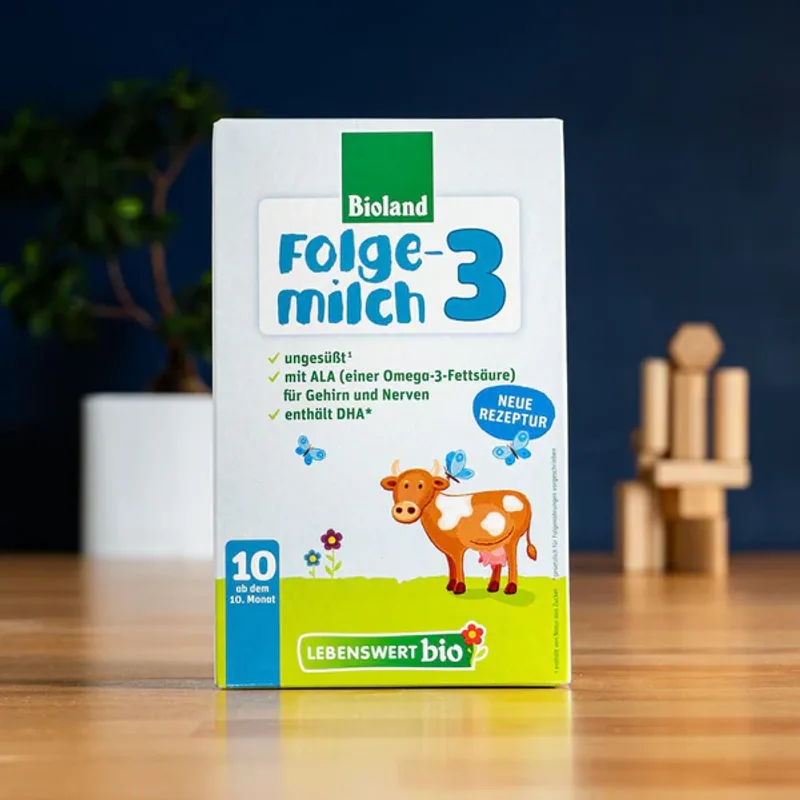
#4 · Best Bioland Stage 3 (HiPP family budget)
Lebenswert Stage 3
HiPP-manufactured Stage 3 with Bioland organic certification at lower price than HiPP Bio. Lactose-only carbohydrate. No probiotic. The HiPP-quality manufacturing at budget tier. ~$1.65/oz delivered.
#5 · Best Swiss-EU Organic Stage 3 budget
Loulouka Stage 3Discontinued
Swiss-manufactured EU Organic Stage 3. Lactose + maltodextrin carbohydrate (vs lactose-only in HiPP/Holle/Kendamil). GOS+FOS prebiotic. The lowest-priced EU Organic Stage 3 import. ~$1.55/oz delivered.
#6 · Best UK Aptamil Stage 3 (mainstream UK)
Aptamil UK Stage 3
UK Aptamil Pronutra+ Stage 3 formulation. Whey-protein-dominant with GOS+FOS prebiotic. The mainstream UK Stage 3 formula for families committed to the UK Aptamil line. RSPO palm in fat blend. ~$1.85/oz delivered.
#7 · Best plant-based toddler drink (dairy-alternative)
Else Toddler Drink
Plant-based Stage 3 toddler drink (almond + buckwheat + tapioca base) for families avoiding dairy. NOT a substitute for cow-milk or goat-milk Stage 3 formula in standard cases — used for diagnosed dairy allergy or vegan-family preference at toddler stage. ~$1.95/oz.