
Best Baby Formula for 6 Month Old (Stage 2) — 2026 Buying Guide
Last updated 2026-04-26 · María López Botín
This site provides research and comparisons, not medical advice. Consult your pediatrician before changing your baby's formula.
Stage 2 (follow-on, 6-12 months) is the EU regulatory category for infant formulas designed for the second half of the first year — the window when complementary foods are introduced alongside formula feeding. The compositional differences between Stage 1 and Stage 2 are driven by EU Regulation 2016/127: protein levels increase modestly, iron levels increase to support the iron-demand spike at 6 months, and certain bioactive levels adjust to the older infant's profile.
The US regulatory landscape differs. The FDA does not require distinct Stage 2 formulas — many US-domestic formulas (Bobbie Original, Earth's Best, Similac Pro-Advance, Enfamil NeuroPro) are labeled "0-12 months" as single-stage products, with the same composition appropriate for the entire first year. Families using US-domestic formulas typically don't switch at 6 months; those using EU-imported formulas typically transition Stage 1 → Stage 2 at the manufacturer's specified milestone.
For 6-12 month formula feeding, the eight-pick framework: Kendamil Organic Stage 2 for whole-milk-fat + organic + HMO at FDA retail; HiPP Dutch Stage 2 for Combiotik probiotic + Metafolin folate; Holle Cow Stage 2 for Demeter biodynamic; Kabrita Stage 2 for goat-milk + HMO; Kendamil Classic Stage 2 for whole-milk-fat budget; Loulouka, Lebenswert, and Jovie Stage 2 for additional EU + goat options. US-domestic 0-12mo single-stage formulas remain valid through 6-12 months without switching.
Stage 2 vs continuing Stage 1: when does it matter?
The clinical literature is mixed on whether transitioning from Stage 1 to Stage 2 at 6 months provides meaningful benefit over continuing the same Stage 1 formula. EU regulation makes the distinction at the regulatory level by mandating different protein and iron levels for Stage 2; FDA regulation does not. AAP guidance considers either approach acceptable for healthy infants — the clinical-outcome difference is small in well-nourished cohorts.
EU Stage 2 compositional differences vs Stage 1. EU Regulation 2016/127 specifies modestly higher protein content (1.6-2.5g/100kcal in Stage 2 vs 1.8-2.5g/100kcal in Stage 1), modestly higher iron content (1-2 mg/100kcal in Stage 2 vs 0.45-1 mg/100kcal in Stage 1), and modified DHA/ARA ratios. These reflect the older infant's nutritional profile as solid foods are introduced.
Why iron specifically increases. Around 6 months of age, infant iron stores acquired during fetal development begin to deplete, and iron-fortified formula or iron-rich complementary foods become important to prevent iron-deficiency anemia. Stage 2 formulas reflect this shift compositionally; US-domestic 0-12 month formulas typically have iron levels appropriate for the entire range from birth through 12 months.
Why protein modestly increases. Stage 2 infants are growing faster in absolute terms and have higher protein-turnover demands. EU regulation reflects this with the modest Stage 2 protein increase.
Practical case for transitioning. Families using EU-imported Stage 1 formula typically transition to Stage 2 at 6 months because the import distribution channel (Organic's Best, etc.) naturally aligns with the manufacturer's Stage 1 → Stage 2 recommendation. The transition signals to the infant's GI tract that complementary foods are coming, and the modest compositional shift provides the regulatory-aligned nutrient profile.
Practical case for continuing Stage 1. Families on US-domestic 0-12 month formulas don't need to transition because the formula is composition-appropriate for the full year. Families on EU Stage 1 who reach 6 months can continue Stage 1 if they have remaining tins and complementary food introduction is providing the iron and protein supplementation — the EU Stage 1 formulas are not nutritionally inadequate at 6 months, just less composition-optimal than Stage 2.
The ranking
1. Best overall Stage 2: Kendamil Organic Stage 2
Kendamil Organic Stage 2 carries forward the whole-milk-fat philosophy that distinguishes the Kendamil line — preserving native MFGM with sphingomyelin, cholesterol, gangliosides, and ~150 proteins implicated in brain development and gut signaling. EU plus UK Soil Association Organic certifications, 2'-FL HMO plus GOS+FOS dual prebiotic blend, no added palm, no soy. FDA-registered for US retail at Target, Amazon, us.kendamil.com — no import logistics required.
For most families transitioning to Stage 2 at 6 months, Kendamil Organic Stage 2 is the master default. The whole-milk-fat foundation delivers natural sn-2 palmitate and native MFGM at a level no all-vegetable-oil formula matches.
2. Best EU Organic Stage 2 with probiotic: HiPP Dutch Stage 2
HiPP Dutch Stage 2 carries forward the Combiotik bioactive stack from Stage 1: live Limosilactobacillus fermentum hereditum probiotic, GOS prebiotic, Metafolin bioactive folate. The deepest documented-probiotic Stage 2 cow-milk formula at EU regulatory composition. Personally imported via Organic's Best Shop.
For families weighting probiotic-strain inclusion or bioactive-folate specifically (especially MTHFR-concerned families), HiPP Dutch Stage 2 is the differentiator pick. RSPO palm in the fat blend (Kendamil Organic doesn't have palm); 5-10 day import shipping vs Kendamil's next-day retail.
3. Best Demeter biodynamic Stage 2: Holle Cow Stage 2
Holle Cow Stage 2 carries Demeter biodynamic plus EU Organic — the strictest organic certification globally. Demeter requires whole- farm biodynamic conversion, stricter dairy animal welfare standards, and biodynamic-method use in soil management. Composition is intentionally minimalist (no GOS, no HMO, no probiotic) — Holle's philosophy is regulatory-compliant baseline composition with strictest sourcing rather than maximalist bioactive layering. RSPO palm in fat blend, no soy. ~$1.95/oz delivered.
For families weighting strictest-possible organic certification at Stage 2, Holle Cow is the European reference.
4. Best goat-milk Stage 2: Kabrita Stage 2
Kabrita Stage 2 is the only goat-milk Stage 2 with 2'-FL HMO at US-accessible distribution. Dutch non-organic goat-milk with sn-2 palmitate (structured palm in breast-milk-equivalent position), plus rapeseed and sunflower (no soy), plus GOS prebiotic plus 2'-FL HMO. 60:40 whey:casein matching breast-milk reference. FDA-enforcement-discretion US retail at Target, Amazon, Kabrita US direct.
For families starting on goat-milk at 6 months for non-CMPA cow- milk-discomfort experimentation, Kabrita is the bioactive-rich goat-milk Stage 2 pick.
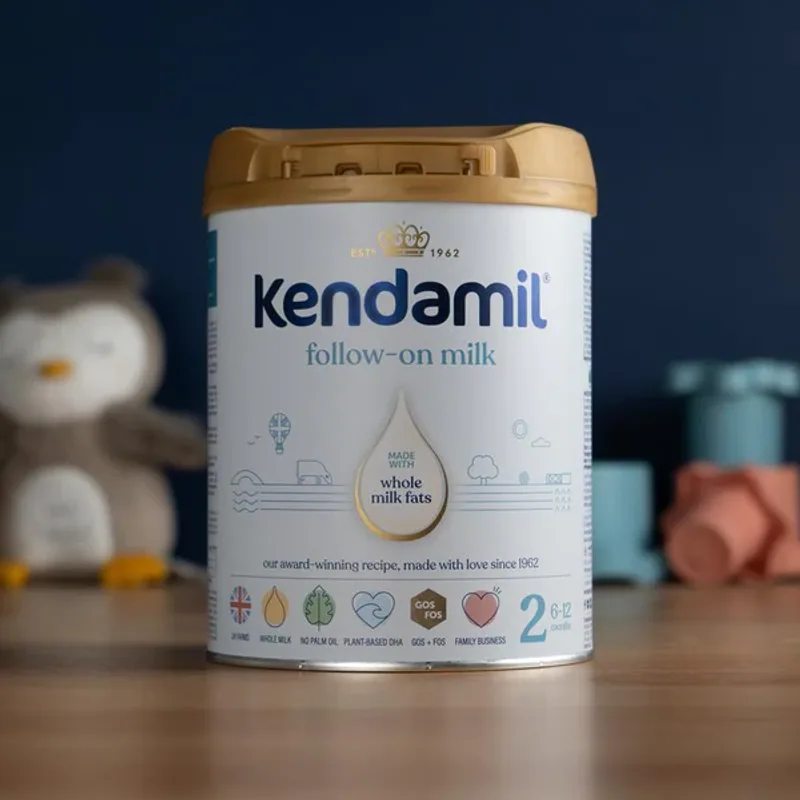
5. Best non-organic whole-milk-fat Stage 2: Kendamil Classic Stage 2
Kendamil Classic Stage 2 carries the same whole-milk-fat MFGM- preservation foundation as the Organic variant at lower price. UK Red Tractor and Vegetarian Society certifications (no organic designation). GOS+FOS 9:1 prebiotic blend. No added palm, no soy. FDA-registered for US retail at next-day delivery.
For families weighting whole-milk-fat composition at lower price than the Organic upgrade, Kendamil Classic Stage 2 is the in- family answer.
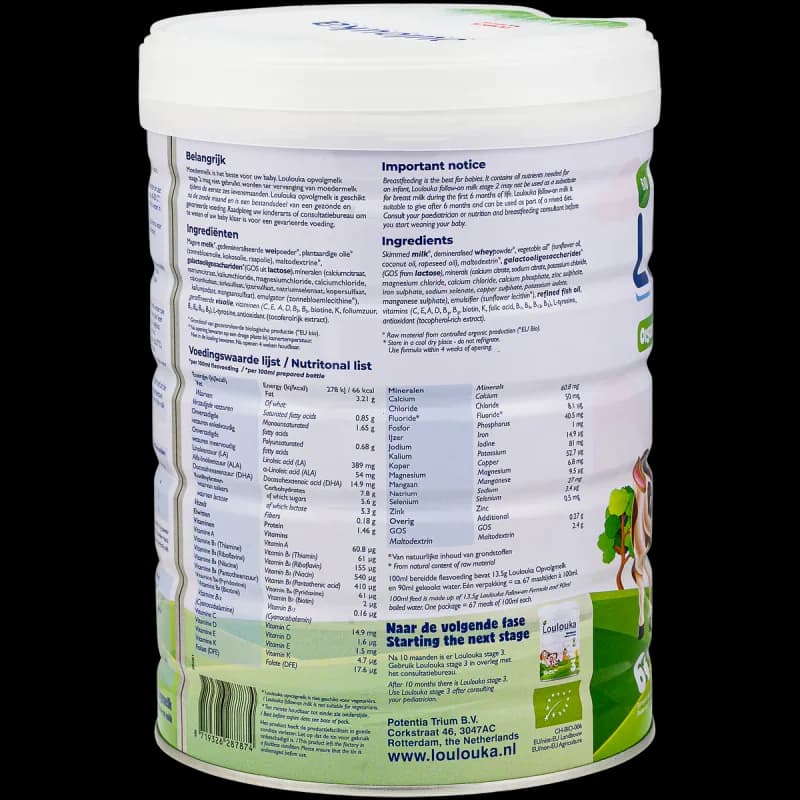
6. Best Swiss-EU Organic budget: Loulouka Stage 2
Loulouka Stage 2 is the Swiss-manufactured EU Organic Stage 2 at the lowest price tier among EU imports. Lactose plus maltodextrin carbohydrate (vs lactose-only in HiPP, Holle, Kendamil EU). GOS+ FOS prebiotic. Coconut, sunflower, and rapeseed fat blend with no added palm. ~$1.55/oz delivered via Organic's Best.
For families weighting EU Organic Stage 2 at minimum import cost, Loulouka is the budget-tier pick. The maltodextrin layer is the principal trade-off vs HiPP/Holle/Kendamil lactose-only formulas.
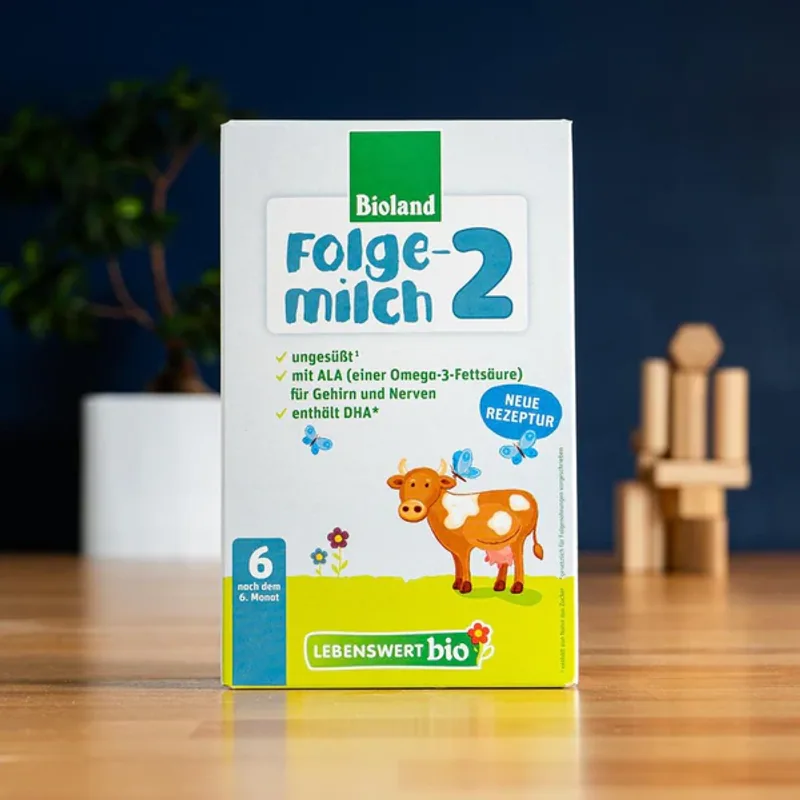
7. Best Bioland Stage 2 (HiPP family budget): Lebenswert Stage 2
Lebenswert Stage 2 is HiPP-manufactured under the Bioland organic certification (a stricter German private organic standard) at lower price than HiPP Bio variants. No probiotic. Lactose-only carbohydrate. RSPO palm in fat blend, no soy. Personally imported via Organic's Best.
For HiPP-curious families wanting HiPP-quality manufacturing at lower price, Lebenswert is the in-family budget pick.
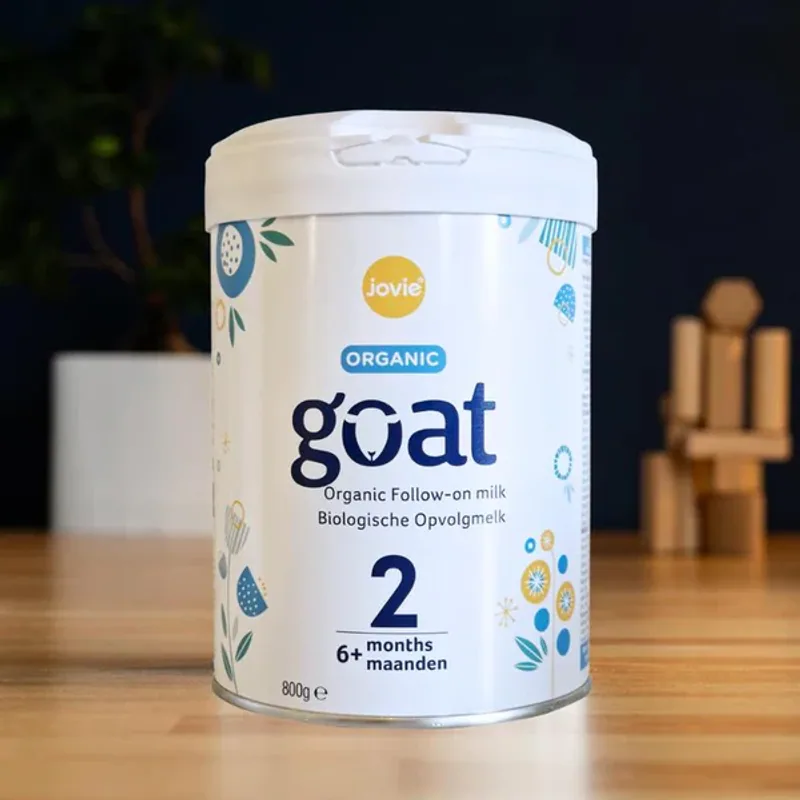
8. Best Dutch organic goat-milk Stage 2: Jovie Stage 2
Jovie Stage 2 is the Dutch EU Organic goat-milk Stage 2 follow-on. Lactose-only carbohydrate. The minimalist EU Organic goat option for families wanting EU Organic certification on goat-milk Stage 2 without the maximalist bioactive layering of Kabrita (which is non- organic but includes HMO). Personally imported via Organic's Best.
For families committed to organic goat-milk Stage 2, Jovie is the EU Organic answer.
Practical considerations for Stage 2 transition
Gradual transition protocol. When transitioning Stage 1 → Stage 2, use a 4-6 day gradual transition: 25%/50%/75%/100% mixed bottles across approximately six feeds spanning 4-6 days. Abrupt transitions can cause GI disturbance and formula refusal. The gradual approach lets the infant's digestive system adapt to the modest Stage 2 compositional changes (higher iron, slightly higher protein) without disruption.
Iron adequacy is the principal milestone. The 6-month iron- demand spike is the principal driver of Stage 2 compositional changes. Verify your Stage 2 formula's iron content matches AAP recommendations (~7 mg/day total for 7-12 month infants from all sources combined). If complementary food iron-rich introduction is slow, the Stage 2 formula's iron contribution becomes proportionally more important.
Solid food introduction timing matters. AAP recommends introducing iron-rich complementary foods (iron-fortified cereals, pureed meats, beans) starting at 6 months alongside continued formula feeding. The Stage 2 formula plus complementary foods together meet the older infant's nutritional needs; either alone is insufficient. Plan complementary food introduction to coincide with the Stage 2 transition window.
Subscription pricing is more impactful at Stage 2. Stage 2 typically lasts 6 months (6-12 months of age) and consumes ~24-32 oz/day. That's 4-6 large tins per month. Both Organic's Best Shop (EU imports) and US-domestic brands offer subscribe-and- save pricing reducing per-tin cost by 5-10% — at Stage 2 volumes, this meaningfully affects the total formula budget.
WIC eligibility re-evaluation. WIC eligibility for Stage 2 formulas varies by state. If using a WIC-contracted Stage 1 formula at $0, verify whether the Stage 2 equivalent is also contracted. Sometimes the WIC contract covers Stage 1 only, and families must either continue Stage 1 (defensible at 6+ months for US-domestic 0-12 month formulas) or accept the cost transition to Stage 2.
Continuing Stage 1 is acceptable. As noted in the introduction, US-domestic 0-12 month formulas are composition-appropriate for the full year and don't require Stage 2 transition. Families on EU-imported formulas can continue Stage 1 past 6 months at their discretion if complementary food introduction is providing the iron and protein that Stage 2 would supplement. This is not a clinical deficiency — it's a regulatory-aligned formulation choice.
Frequently asked questions
Do I need to switch to Stage 2 formula at 6 months?
What is the difference between Stage 1 and Stage 2 formula?
Can I switch brands when transitioning to Stage 2?
Is goat-milk Stage 2 formula appropriate for 6-month olds?
How much Stage 2 formula does a 6-12 month old need?
Should I add cow milk to my baby's diet at 6 months instead of Stage 2 formula?
What's the best Stage 2 formula for breastfed babies switching to formula at 6 months?
EU Regulation 2016/127 governs Stage 1 and Stage 2 follow-on formula composition in the EU. FDA 21 CFR Part 107 governs US-domestic formula and does not require distinct Stage 2 formulations. American Academy of Pediatrics formula-feeding guidance covers the 6-month milestone including iron-rich complementary food introduction alongside continued formula feeding.
Related reading
- Best baby formulas — overall flagship ranking
- Best formula for newborns — Stage 1 ranking
- Best European baby formulas
- Best whole-milk-fat formulas
- HiPP Dutch Stage 1 vs Stage 2
- Holle Cow Stage 1 vs Stage 2
- Kendamil Organic Stage 1 vs Stage 2
- Best Baby Formula for 12 Month Old (Stage 3 / Toddler)
- When to switch formula stages pillar
- Infant microbiome and formula choice pillar
The ranked picks
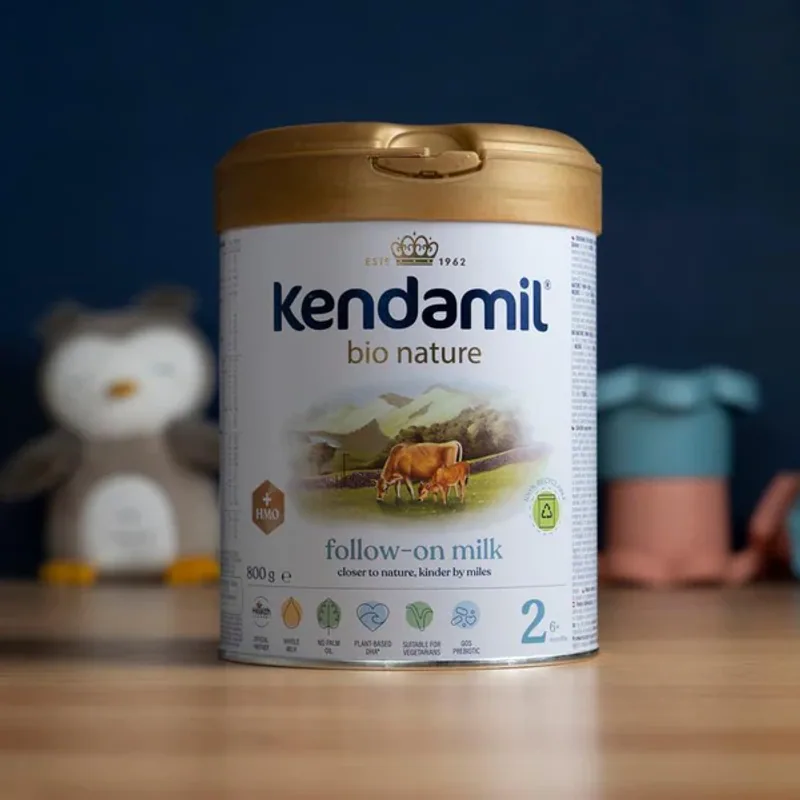
#1 · Best overall Stage 2 (whole-milk-fat + organic + HMO)
Kendamil Organic Stage 2
EU + UK Soil Association Organic with whole-cow-milk-fat preserving native MFGM. 2'-FL HMO plus GOS+FOS prebiotic blend. No added palm, no soy. FDA-registered for US retail at next-day delivery — the EU Stage 2 closest to breast-milk fat profile available without import logistics. ~$1.95/oz.
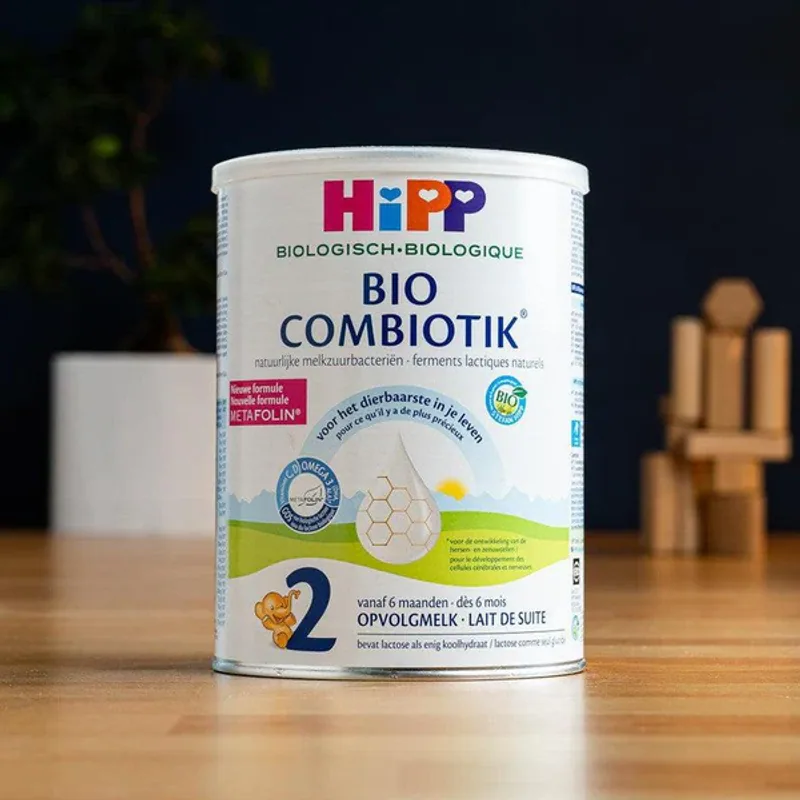
#2 · Best EU Organic Stage 2 with probiotic
HiPP Dutch Stage 2
EU Organic Combiotik with live Limosilactobacillus fermentum hereditum probiotic plus GOS prebiotic plus Metafolin bioactive folate. The deepest bioactive stack in EU Stage 2 cow-milk follow-on. Personally imported via Organic's Best. ~$1.77/oz.
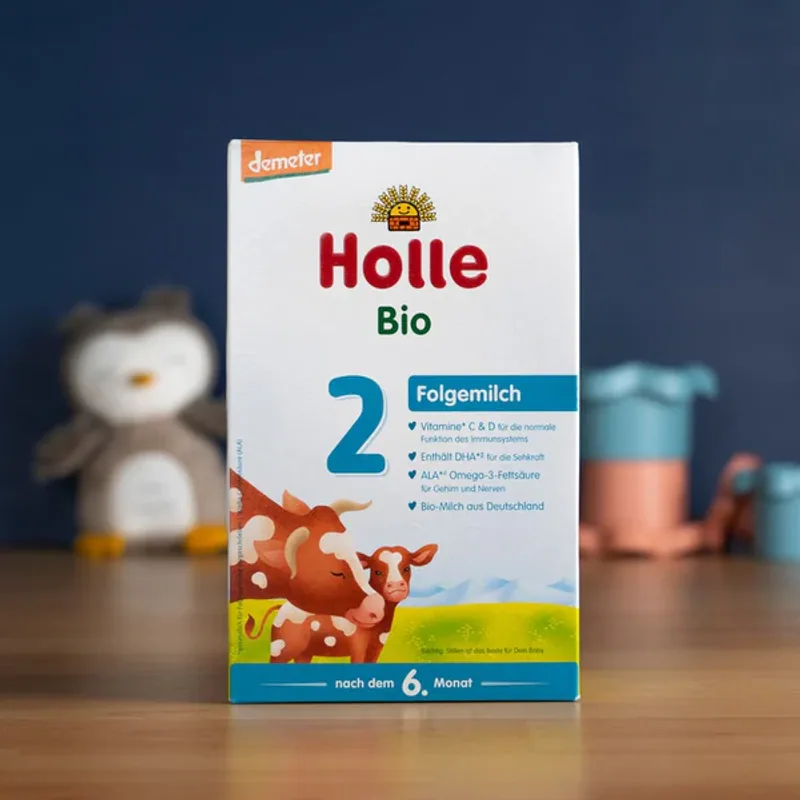
#3 · Best Demeter biodynamic Stage 2
Holle Cow Stage 2
Demeter biodynamic + EU Organic — strictest organic certification globally. Whole-cow-milk-fat retained. Minimalist composition (no GOS, no HMO, no probiotic) — composition philosophy mirrors the Demeter approach. ~$1.95/oz delivered.
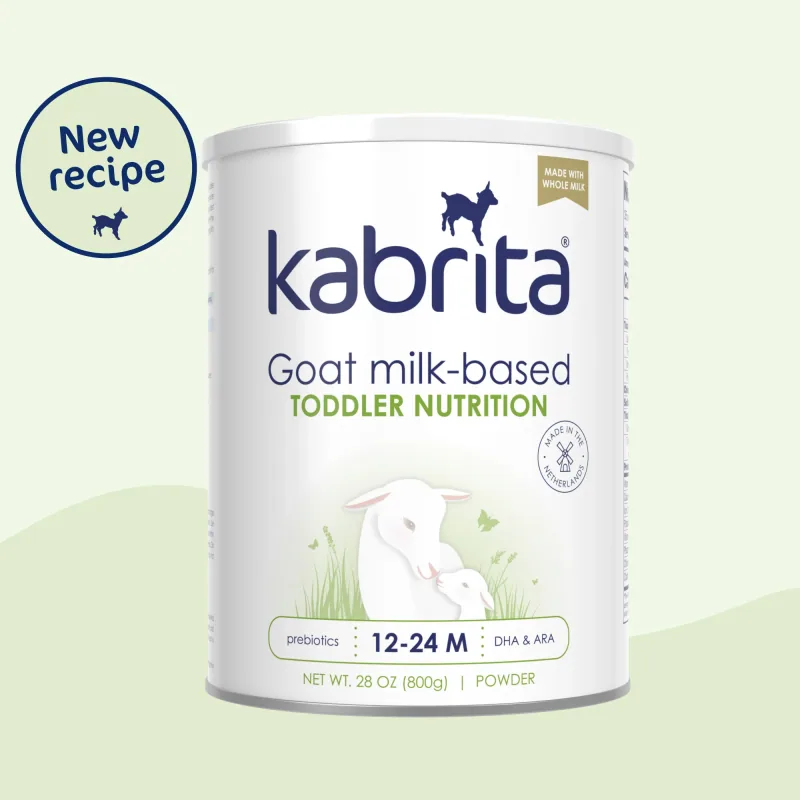
#4 · Best goat-milk Stage 2 at US retail
Kabrita Stage 2
Dutch goat-milk Stage 2 with sn-2 palmitate plus 2'-FL HMO plus GOS prebiotic. The only goat-milk Stage 2 with HMO at US-accessible distribution. 60:40 whey:casein matching breast-milk reference. ~$2.71/oz.
#5 · Best non-organic whole-milk-fat Stage 2
Kendamil Classic Stage 2
Whole-cow-milk-fat preservation at lower price than the Organic upgrade. UK Red Tractor + Vegetarian Society marks. GOS+FOS 9:1 prebiotic blend. No added palm, no soy. FDA-registered for US retail. ~$1.63/oz.
#6 · Best Swiss-EU Organic Stage 2 budget
Loulouka Stage 2Discontinued
Swiss-manufactured EU Organic Stage 2. Lactose + maltodextrin carbohydrate (vs lactose-only in HiPP/Holle/Kendamil). GOS+FOS prebiotic. Coconut + sunflower + rapeseed fat blend (no added palm). The lowest-priced EU Organic Stage 2 import. ~$1.55/oz delivered.
#7 · Best Bioland Stage 2 (HiPP family budget)
Lebenswert Stage 2
HiPP-manufactured Stage 2 with Bioland organic certification (German private organic, stricter than EU baseline) at lower price than HiPP Bio. No probiotic. Lactose-only carbohydrate. Personally imported via Organic's Best. ~$1.65/oz.
#8 · Best Dutch organic goat-milk Stage 2
Jovie Stage 2
Dutch EU Organic goat-milk Stage 2. Lactose-only carbohydrate. No HMO (vs Kabrita), no GOS (vs Holle Goat). The minimalist EU Organic goat option for families wanting Stage 2 organic certification on goat-milk. ~$2.45/oz delivered.