
A2 beta-casein is a marketing angle that turns out to have real biochemistry underneath. Most cow's milk contains a mix of two genetic variants of beta-casein: A1 and A2, that differ by a single amino acid at position 67. That tiny difference changes how the protein is digested in the human gut, which in turn changes which peptides end up reaching the intestine. Some of those peptides (specifically BCM-7 from A1) have been linked in human studies to GI symptoms and mild inflammation. A2 beta-casein produces different digestion products and doesn't generate BCM-7. The clinical significance is debated; the biochemistry is not.
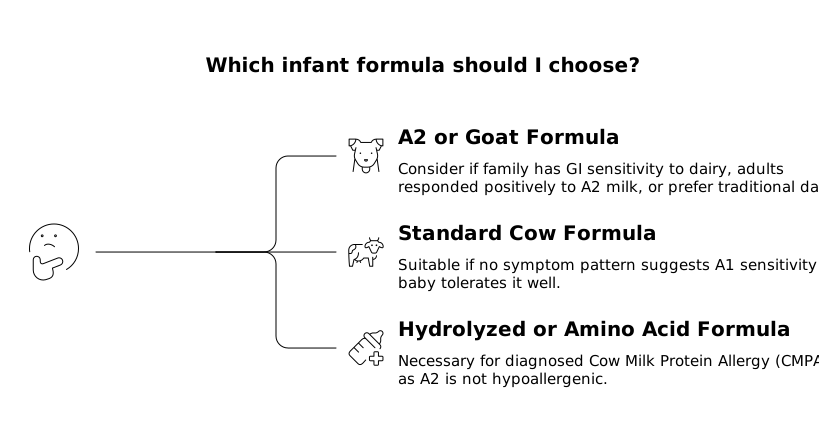
Visual generated with Napkin AI, editorial review by María López Botín. See methodology for our use policy.
The A1 vs A2 distinction
Beta-casein is one of the four major proteins in cow's milk (the others are alpha-s1, alpha-s2, and kappa-casein). All cows produce beta-casein, but the specific variant depends on their genetics. Modern dairy cows in most Western countries carry a mix of A1 and A2 alleles, and the milk contains a mix of both variants. The single amino acid that differs is at position 67: proline in A2, histidine in A1.
When the infant gut digests A1 beta-casein, pepsin cleaves a 7-amino-acid peptide called beta-casomorphin-7 (BCM-7). BCM-7 is an opioid-receptor agonist, it binds to the mu-opioid receptors lining the gut. The effects at physiological concentrations include slowed gut motility, altered mucus secretion, and mild inflammation in susceptible individuals.
A2 beta-casein is digested differently. The proline-67 substitution changes the cleavage pattern, and BCM-7 is not produced in meaningful quantities.
The breast milk reference point
This matters for infant formula because human breast milk's beta-casein is structurally more similar to A2 than to A1. Humans don't produce A1 beta-casein. Historically, wild-type cows also produced only A2, the A1 variant emerged through a mutation thousands of years ago, then spread through European, and American cattle populations under selective breeding. Asian cattle (and most goat, sheep, and buffalo milks) remain predominantly A2.
In other words: A2-only cow's milk gives infants a milk protein closer to what their digestive system evolved to handle than standard mixed A1/A2 cow's milk.
Which formulas use A2 beta-casein
- Holle A2, the most prominent A2 infant formula in the European organic space. Sourced from A2-tested herds. A dedicated pillar sits alongside the standard Holle cow-milk line.
- Kendamil, some variants use milk from A2-tested herds; check the specific SKU in our Infant Formula Atlas for confirmation.
- Goat-milk formulas (Jovie, Kabrita, Holle Goat), goat beta-casein is structurally closer to A2 than to A1, though it's a different protein entirely. Parents seeking A2 benefits sometimes choose goat-milk formula as an adjacent option.
- US A2 options, a2 Milk Company makes consumer A2 milk, but A2-specific infant formula is rare in the US market. Most US brands don't test or certify the A1/A2 status of their source herds.
Evidence for digestive benefits
The clinical picture is mixed but leans positive:
- Adult trials with A1-sensitive people show that switching to A2-only milk reduces self-reported GI symptoms (bloating, loose stools, discomfort) in about 30, 40% of participants. Effect sizes are modest but consistent across multiple trials.
- Infant trials are fewer but directionally similar. A 2017 trial in Italy compared A1 and A2 formula to A2-only formula in healthy term infants and found modestly better stool consistency and reduced discomfort scores in the A2 group.
- BCM-7 measurement studies confirm that A2 formulas produce far less BCM-7 in vivo than A1 and A2 formulas, supporting the biochemical mechanism.
- No evidence of harm from A1 at typical exposure levels for infants without specific sensitivity.
The EFSA scientific review of BCM-7 concluded that a causal relationship between BCM-7 and adverse health effects in the general population has not been established, but acknowledged that individual variation in sensitivity is real. This is a fair summary: A2 isn't magic, but it's not placebo either.
Who should consider A2
The practical framing for a parent:
- If your baby seems fussy, gassy, or has loose stools on a standard formula without a clear diagnosis, an A2 formula is a reasonable next step before moving to hydrolyzed or specialty formulas. Holle A2 or Kendamil (if the specific SKU is A2-tested) are the most accessible options in the EU-import channel.
- If your baby is thriving on a standard A1 and A2 formula, the A2 switch is not medically necessary. Many infants tolerate A1 and A2 milk without issue.
- If there is diagnosed cow-milk protein allergy (CMPA): A2 is not a solution. CMPA is a reaction to the milk protein structure itself, not to BCM-7. Hydrolyzed or amino-acid formulas are the evidence-based path. See our hydrolyzed protein explainer.
Cost and availability
A2-certified formula costs more than standard cow-milk formula because A2 herd management and genetic testing add to the supply chain. The price premium is typically 10, 20% over comparable non-A2 formulas in the same brand family.
Our Infant Formula Atlas documents A2 status per SKU under the protein block. If you're comparing options specifically for A2 content, filter by goat-milk formulas or check individual brand hubs: Holle's hub covers both the standard cow-milk and the A2 line.
Frequently asked questions
What is A2 beta-casein?
Is A2 beta-casein clinically proven beneficial?
Which infant formulas are A2-only?
Is A2 milk hypoallergenic?
How does A2 cow milk compare to goat milk?
Are A2 formulas worth the premium price?
Primary sources
- Jianqin S et al. Effects of milk containing only A2 beta-casein versus milk containing both A1 and A2 beta-casein proteins on gastrointestinal physiology, symptoms of discomfort, and cognitive behavior of people with self-reported intolerance to traditional cows' milk. Nutr J, 2016. pubmed.ncbi.nlm.nih.gov/26265731
- Sheng X et al. Effects of A1 and A2 beta-casein on cow's milk infant formula. Pediatric trial, 2017. pubmed.ncbi.nlm.nih.gov/28959527
- EFSA Scientific Panel. Review of the potential health impact of beta-casomorphins and related peptides, EFSA Journal 2009. efsa.europa.eu
- Summer A et al. Occurrence, biological properties and potential effects on human health of beta-casomorphin 7: review. Crit Rev Food Sci, 2020. pubmed.ncbi.nlm.nih.gov/33504014
Related reading
- Brands and comparisons featuring A2 or goat-milk protein, Kendamil brand hub (Jersey-cow A2-enriched and goat lines), Holle brand hub (goat line, naturally A2), HiPP vs Holle vs Kendamil (how the three European flagships approach protein source)
- CMPA clinical framework
- How formula brands compare, protein sources
This site provides research and comparisons, not medical advice. Consult your pediatrician before changing your baby's formula.